 Back to main website
Emotional Wellbeing
Children and young people who face challenges in their lives often experience difficulties with emotional wellbeing. Hormonal changes, developmental milestones, and physical changes can make this a particularly sensitive period. Building resilience and providing consistent support are essential to ensure their feelings are acknowledged and understood.
For those experiencing abuse, neglect, or harm, emotional distress is often one of the earliest indicators that something is wrong. Behaviour changes can provide vital clues for practitioners about what might be happening at home, in school, or within peer relationships. Recognising and responding to these signs is a key safeguarding responsibility.
A child who develops emotional resilience is more likely to grow into an adult equipped to manage life’s challenges. By prioritising emotional wellbeing, practitioners help create safer environments and better long-term outcomes.
Healthier Together
#LetsConnect
The #LetsConnect campaign has been developed by the West Yorkshire Health and Care Partnership to encourage parents, carers, children and young people in West Yorkshire to feel comfortable in talking about mental health and emotional wellbeing with each other.
"We want to promote mental health and wellbeing and emotional resilience in its widest sense, with a campaign that covers many themes including their neurodiversity campaign."
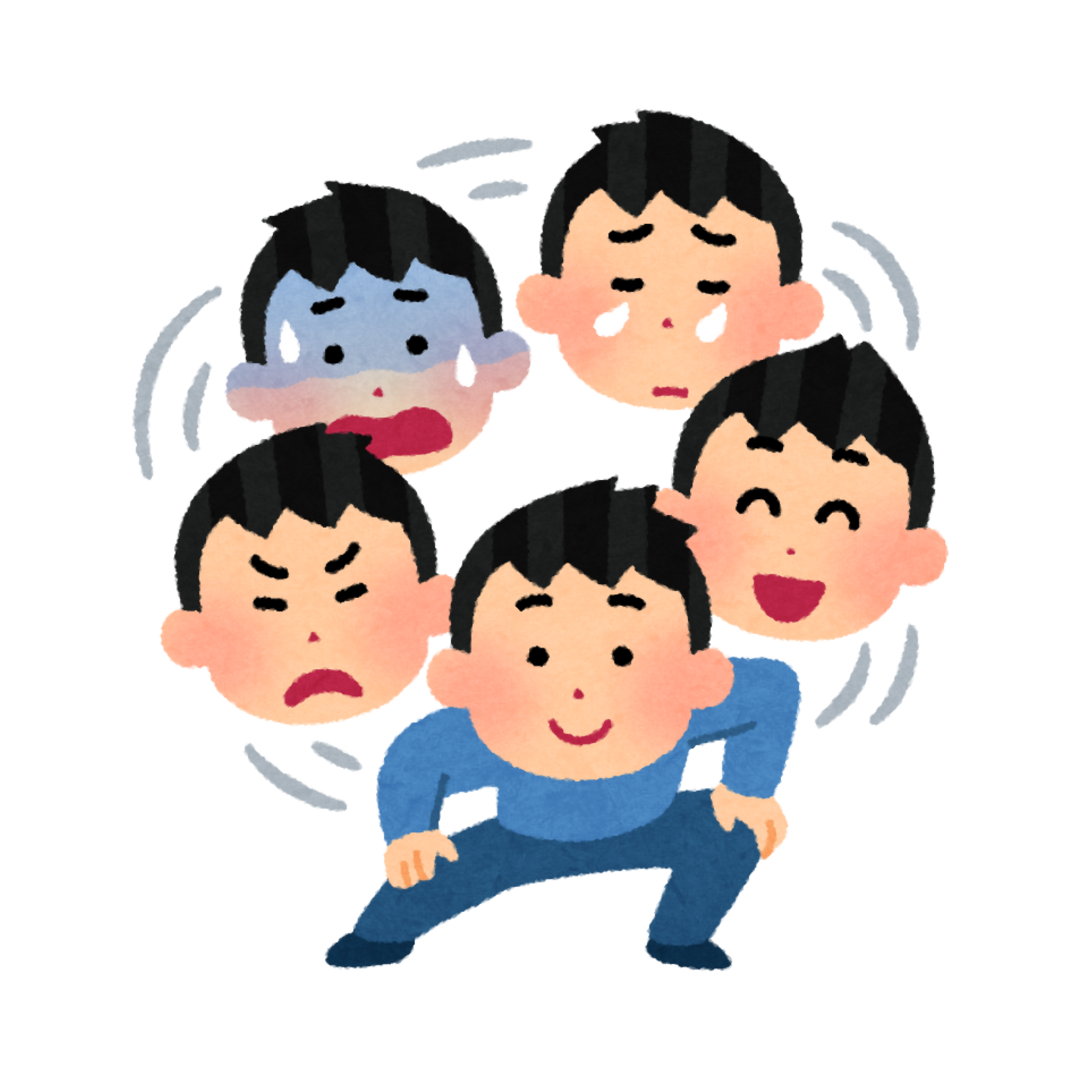
Emotional Distress
When a child is in emotional distress they may:
- Have changes in behaviour (withdrawal, aggression, sudden mood swings)
- Show physical signs (sleep issues, appetite changes, pain in their body like tummy ache or heeadaches)
- Change their usual routine and have a noticable impact on learning and social interaction (turn up for shcool late, forget homework, be easily distracted)
How can you help?
As a practitioner it is important to observe and record your concerns, be trauma aware and use the correct strategy to suit the child. Being child-centred with a multi agency approach will allow the child to feel heard and safe enough to effectively communicate with a trusted adult.
Find out more informtion about adversity, trauma and resilience here or to find local mental health support visit the Healthier together Mental Health support page here.
Emotional Abuse
Why Negative Words and Actions Can Harm Children
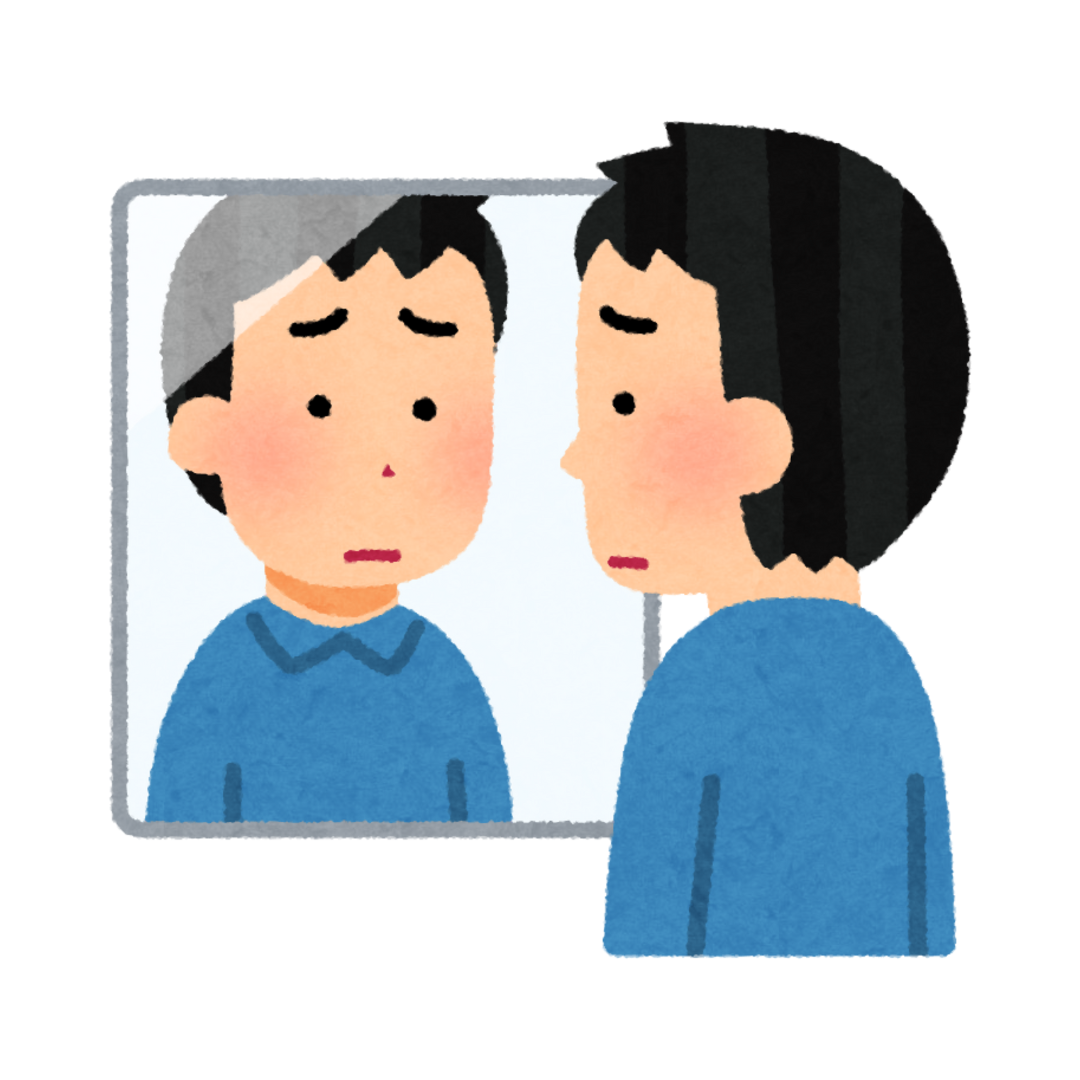
Negative words and actions such as criticism, sarcasm, shouting, or dismissive behaviour, can have a lasting impact on a child’s emotional wellbeing. Children interpret these responses as a reflection of their worth, which can lead to feelings of shame, low self-esteem, and anxiety.
Over time, repeated negative interactions can erode trust and make children less likely to seek help or disclose concerns. For those already experiencing adversity, harsh or judgmental language can reinforce feelings of isolation and powerlessness. Practitioners should use positive, supportive communication to build confidence and resilience, ensuring that every interaction promotes safety and respect.

Trust!
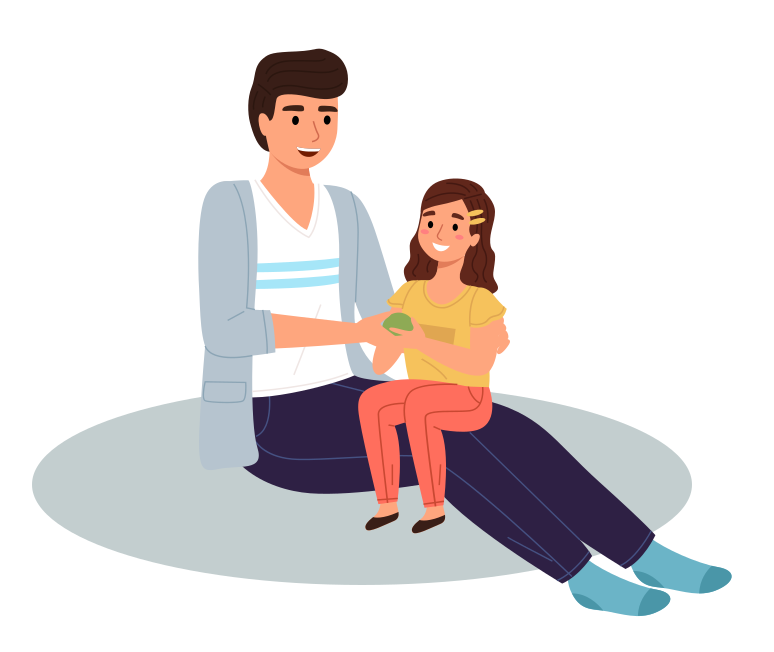
Trust is the foundation of effective safeguarding and emotional support
When children and young people feel safe and respected by practitioners, they are more likely to share their feelings, disclose concerns, and engage with help.
Why does it matter?
- Opens communication: A trusting relationship encourages children to express emotions and experiences they might otherwise hide
- Reduces fear and stigma: Many children worry about being judged or getting into trouble. A practitioner who listens without judgment helps reduce these fears
- Supports resilience: Consistent, reliable relationships provide a sense of stability, which is critical for children experiencing uncertainty or trauma
- Improves outcomes: Research shows that children who have at least one trusted adult are more likely to recover from adversity and thrive
-
Building trust takes time, but it is one of the most powerful tools practitioners have to safeguard and support emotional wellbeingShow detailsKey:
-
Practitioners play a vital role in creating environments where children feel safe, valued, and understoodShow detailsKey:
I'm Lucy
Understanding the Child’s Perspective
This powerful KSCMAP video, I’m Lucy, explores the world through the eyes of a child experiencing neglect and emotional distress. It highlights how a child’s behaviour and emotions often communicate what words cannot. For practitioners, the film is a reminder of the importance of listening beyond the surface, recognising subtle signs, and responding with empathy and care.
By watching this video, you’ll gain insight into:
- How negative words and actions can harm a child’s sense of safety and self-worth.
- The critical role of trusted relationships in helping children feel heard and supported.
- Why early recognition of emotional distress is essential for safeguarding.
Use this resource to reflect on your practice and consider how every interaction can either build resilience or deepen vulnerability.
Resources to support resilience
Brief Introduction to Resilience Framework
- Understand The Resilience Framework approach to working with children and young people and how it can be applied in to their own working practice.
- Provide an opportunity to view the Risk and Resilience Framework website and its support tools to communicate effectively with children and young people.
- Explore some of the resources provided to build Resilience competences in children or young people.
- Understand how the framework can support practitioners to obtain the voice of the child as part of the Team Around the Early Years (TAEY) and Team Round the School (TAS) process, or a referral to specialist services. It can also provide a platform to explore safeguarding concerns.
For more information about the Risk & Resilience Framework click here
Children & Young People Emotional Wellbeing
by Denise Wheatman & Emily Castle
- Identifying some of the factors affecting the wellbeing of CYP
- Describing the presenting issues related to CYP
- Highlighting what you can do to support CYP
Self Harm
What you need to know
Self-harm is a coping mechanism some children and young people use when they feel overwhelmed by emotional pain, stress, or trauma. It can include cutting, burning, hitting themselves, or other behaviours intended to cause harm. While self-harm is often hidden, it should always be taken seriously as it signals significant emotional distress and, in some cases, may indicate underlying safeguarding concerns such as abuse, neglect, or bullying.
For children with SEND this may pose a bigger risk due to communication or sensory issues. Take a look at the SEND toolkit for more guidance.
Early recognition and compassionate intervention can make a significant difference in helping a child find safer ways to cope and begin their recovery journey.
-
Show details
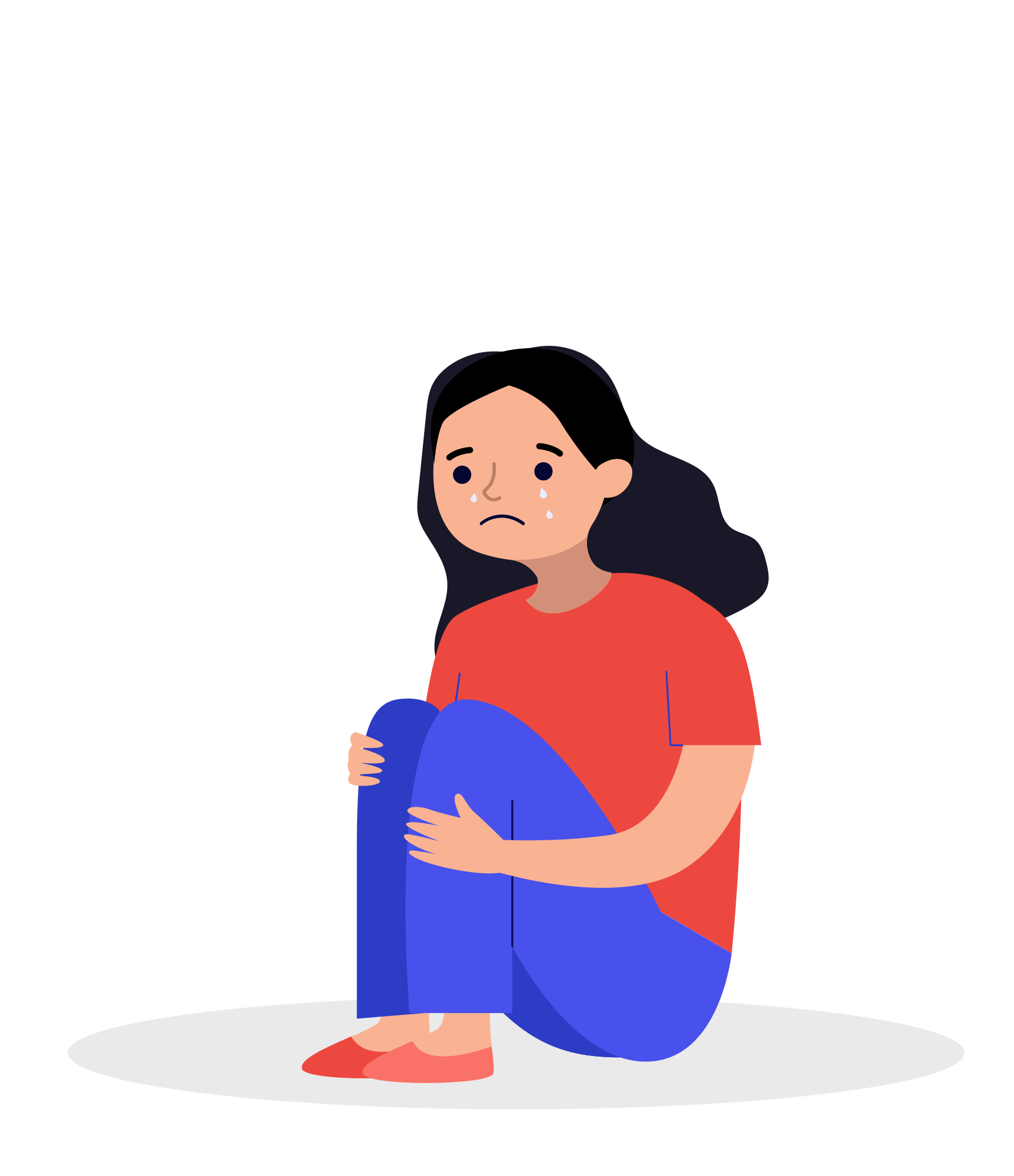 Why it matters Self-harm is rarely about attention-seeking; it is usually a way to manage feelings that feel unbearable.
It can coexist with mental health issues such as anxiety, depression, or trauma responses.
Ignoring or minimising self-harm can increase feelings of isolation and escalate risk. -
Show details
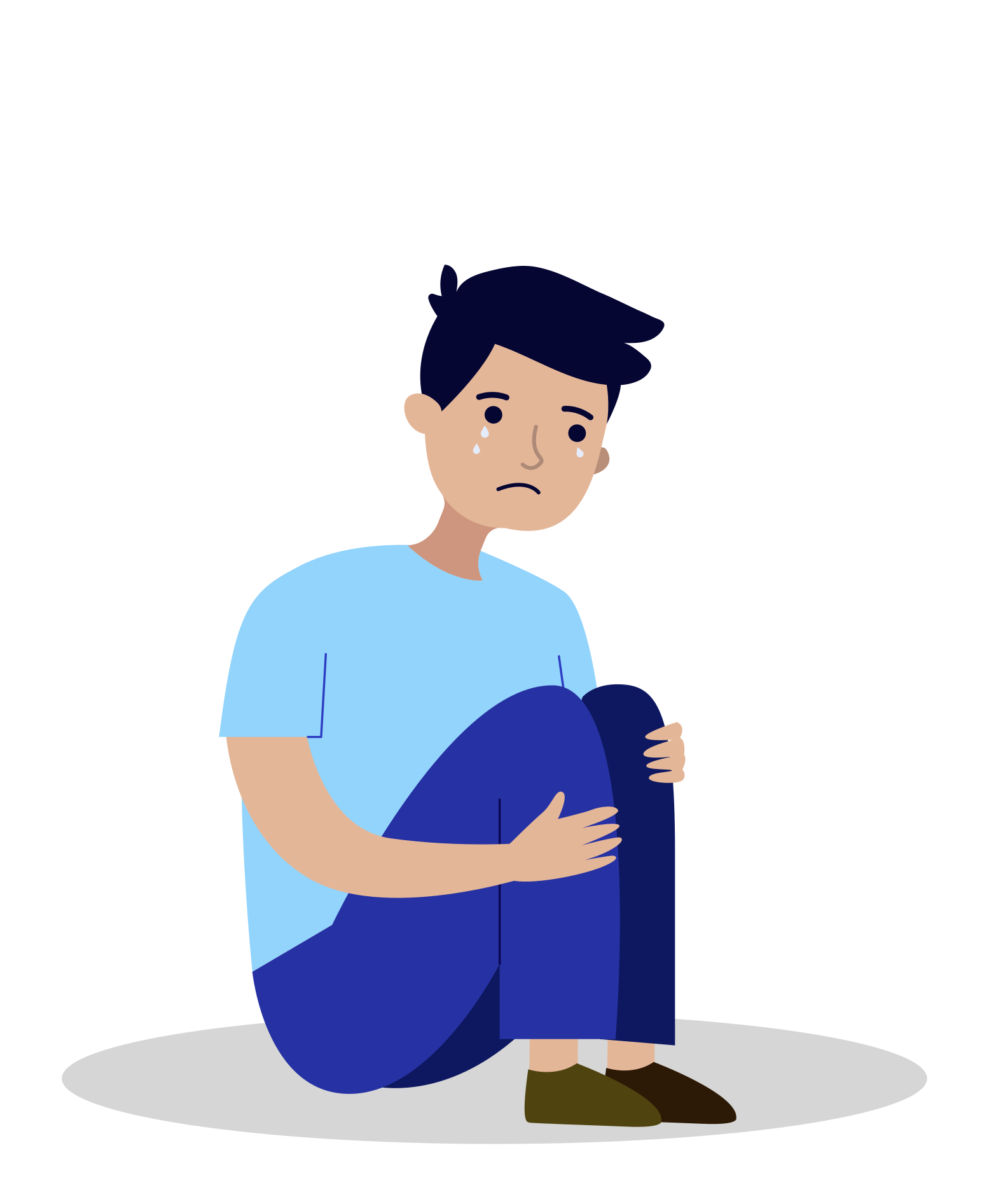 What practitioners can do: Respond calmly and without judgment and avoid language that shames or blames.
Create a safe space for the child to talk about their feelings.
Follow safeguarding procedures and consider referral to specialist services (e.g., CAMHS).
Work collaboratively with parents/carers and other professionals to ensure ongoing support.
Self-Harm
features authentic stories from young people who have experienced self-harm and are in recovery now.
An Powerful animated film by young people NHS Foundation Trust – Made for Tees Esk & Wear Valleys NHS Foundation Trust
Other Resources
Hunger
by Karen Thomas, Registered Dietitian
A practical resource for family practitioners on physical and emotional hunger to enable practitioners to discuss issues around hunger with families
Sleep and Health
Optimising sleep potential for physical and emotional well being
- To explore the importance of sleep and develop understanding of how the body clock works.
- To develop an understanding of the links between sleep, resilience and mental health.
- To develop an understanding of the strategies to optimise the chances of getting a good night’s sleep.
- To explore resources available to use with children, young people and their families in everyday practice.
by Sara Kendrick, CAMHS Primary Practitioner (Primary Intervention Team)
Where can I get help?

Compass it the emotional and wellbeing service for the districts children and young people. Staff will offer a range of advice, support and education on emotional health matters, using text, web-based and face-to-face methods to engage young people and families.
Young people will have access to a texting hotline service called SHOUT, with the new dedicated Wakefield hotline staffed by real workers, responding in real time.
Visit the website for further information.
Night OWLS is a confidential support line, 8pm–8am every night for all children, young people, and parents/carers in West Yorkshire – Bradford, Calderdale, Kirklees, Leeds, and Wakefield
- Night OWLS – MindMate website

CAMHS stands for child and adolescent mental health services. CAMHS are the NHS service that offers support and treatment for children and young people, aged up to 18 years old, who are experiencing difficulties with their mental health and wellbeing.
If you’re a parent or carer of a child or young person under the age of 18, you can contact the Wakefield CAMHS Single Point of Access team directly:
Monday to Friday, 9:00am – 5:00pm, on 01924 316200.
For further information and to make an online referral visit the Wakefield CAMHS website.
Wakefield Families Together brings services together, to join up how they work, so that it’s easier for you to find and access the support you need, at the earliest opportunity.
Visit Wakefield Families Together website for further information.

WF-I-CAN is an online resource for children and young people in Wakefield where you can find information and advice as well as self-help tips that can increase your confidence and resilience.
Visit the WF-I-CAN website for further information.
Charity to end all verbal abuse to children
Words Matter is an ambitious charity on a mission to improve children’s mental and physical health and development by ending verbal abuse of children by adults.
Children’s brains are built in response to the relationships they grow up with, and the tone of sounds and words around them, right from the moment they’re born.
Too many children are growing up without warm, encouraging words and stable, secure relationships – the building blocks all children need to grow and thrive. Verbal abuse in childhood can actively weaken the foundations of our brains and cause us problems later in life.
Visit their website for further information and to access resources for adults, children, victimes of abuse, teachers, parents and carers

VoiceAbility
They support people to be heard in decisions about their health, care and wellbeing.