 Back to main website
April 2026
Motivational Interviewing
Motivational Interviewing (MI) is a collaborative, person‑centred communication approach that helps individuals explore their motivations for change in a safe and respectful way. By focusing on empathy, active listening, and empowering people to find their own solutions, MI supports more open conversation, especially when topics may feel sensitive or difficult to discuss.
For safeguarding practitioners, MI is particularly valuable because it builds trust, reduces resistance, and encourages meaningful engagement with children, adults, and families whilst focussing on collaboration, empathy, and empowerment, rather than confrontation or judgment. This leads to fuller disclosure, better understanding of risks, and more effective plans that people are genuinely motivated to follow, ultimately strengthening safeguarding outcomes.
Motivational Interviewing (MI) is particularly helpful when working with challenging families because it focuses on collaboration, empathy, and empowerment, rather than confrontation or judgment.
Key Benefits of MI when working with Mulit-Stressed Families
-
Show details
 Reduces resistance & promotes disclosure Motivational Interviewing avoids a directive “telling” approach and instead relies on open questions, reflective listening and curiosity. By stepping away from instructing or persuading, practitioners create space for families to talk openly without fear of being judged.
When families feel genuinely listened to, rather than talked at, they become less defensive and more willing to share information that is crucial for safeguarding. MI helps shift conversations from confrontation to collaboration, allowing families to explore their situation in a calmer, more constructive way. This often leads to earlier disclosure of worries, clearer understanding of risks, and more meaningful engagement in the support process.
-
Show details
 Builds self-reliant motivation Rather than imposing change or telling families what they “should” be doing, MI supports individuals to explore their own values, concerns and reasons for wanting life to be different. This is especially important when families feel coerced, overwhelmed or mistrustful of professionals.
MI helps people recognise their strengths, consider what matters to them, and articulate why change might benefit their children and themselves. When motivation comes from within, rather than being imposed, families are far more likely to follow through, make safer decisions, and sustain progress. MI provides the structure for this internal motivation to grow, even when circumstances feel complicated or stuck.
-
Show details
 Strengthens relationships Empathy, partnership and respect sit at the centre of MI. By creating a non‑judgmental environment, practitioners can encourage honest conversations about what life is really like for a family, without fear of criticism or blame.
This approach is particularly beneficial for families who have experienced stigma, repeated involvement from services, or who feel that professionals “don’t understand.” MI shifts the dynamic from power imbalance to partnership. As trust builds, families become more open to discussing sensitive issues, exploring worries about their children, and working collaboratively on safer plans. Strong relationships are the foundation for meaningful change, and MI provides a framework to nurture them. -
Show details
 Promotes sustainable change Sustainable change happens when families feel ownership over their decisions, not when they feel pushed, pressured or told what to do. Motivational Interviewing supports autonomy by helping families identify changes that they believe will benefit their children, their wellbeing and their daily lives.
When people choose change because it aligns with their own values, not because a professional insists on it, they are far more likely to maintain progress, even when circumstances become difficult. For families under significant stress, this sense of control and empowerment can be a powerful protective factor, helping them move forward in a way that feels achievable and meaningful.
-
Show details
 Evidence-based MI is recognised across social work, safeguarding, health and early help settings as an evidence‑based approach that leads to improved engagement and better outcomes. Research consistently shows that MI is effective when working with individuals who are ambivalent, resistant or feeling overwhelmed by professional involvement.
Its success comes from reducing conflict, increasing cooperation and building a collaborative relationship where families feel supported rather than judged. For practitioners working in safeguarding, where resistance or avoidance can mask risks, MI provides a structured, research‑informed way to build rapport and guide families toward safer decisions.
-
Show details
 Helps families work through ambivalence Many families feel torn: they want things to improve for their children, but they may also fear change, feel stuck, or believe they lack the capability to do things differently. This ambivalence is completely normal, and often misunderstood as “non‑compliance” or “resistance.”
Motivational Interviewing treats ambivalence as a natural part of the change process. Through gentle exploration and reflective questioning, MI helps families identify the gap between the life they want and the behaviours that are keeping them from it. Bringing this discrepancy into focus, without pressure or blame, supports families to resolve their conflicting feelings and start moving toward safer, healthier choices.
Applying MI Through a Safeguarding Lens
Motivational Interviewing and safeguarding are fully compatible...
BUT MI needs to be used alongside strong professional curiosity, clear boundaries, and timely decision‑making.
Here’s how MI fits within effective safeguarding practice:
- Balancing empathy with responsibility
- Supporting truth‑seeking conversations - more likely to talk about domestic abuse, mental ill health, neglect, substance misuse etc
- Respecting autonomy but prioritising safety - safeguarding always prioritises the child’s safety so being clear about minimum expectations, statutory responsibiies, timelines for change and non-negotiable safety requirements is essential!
- Ensuring timely escalation
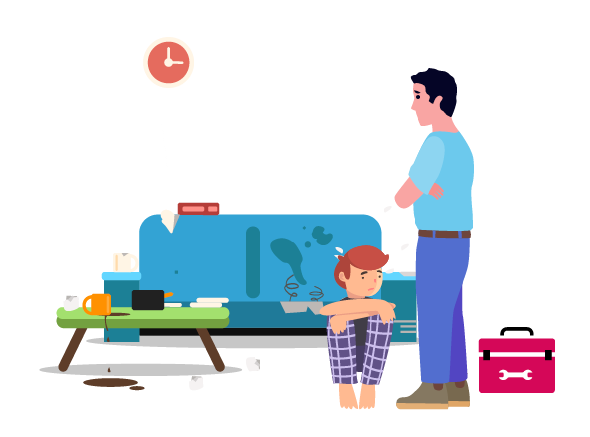
What are the core Principles of MI?
Understanding why you would use MI will help you achieve the best outcomes for families
- Express Empathy
Use of reflective listening to show understanding of the family’s feelings and perspective. - Develop Discrepancy
Helping families see the gaps between their current situation and their goals for their children. - Roll with Resistance
Avoids arguing; resistance is a signal to change your approach, not push harder. - Support Self-Efficacy
Reinforces the family’s belief that change is possible and within their control.

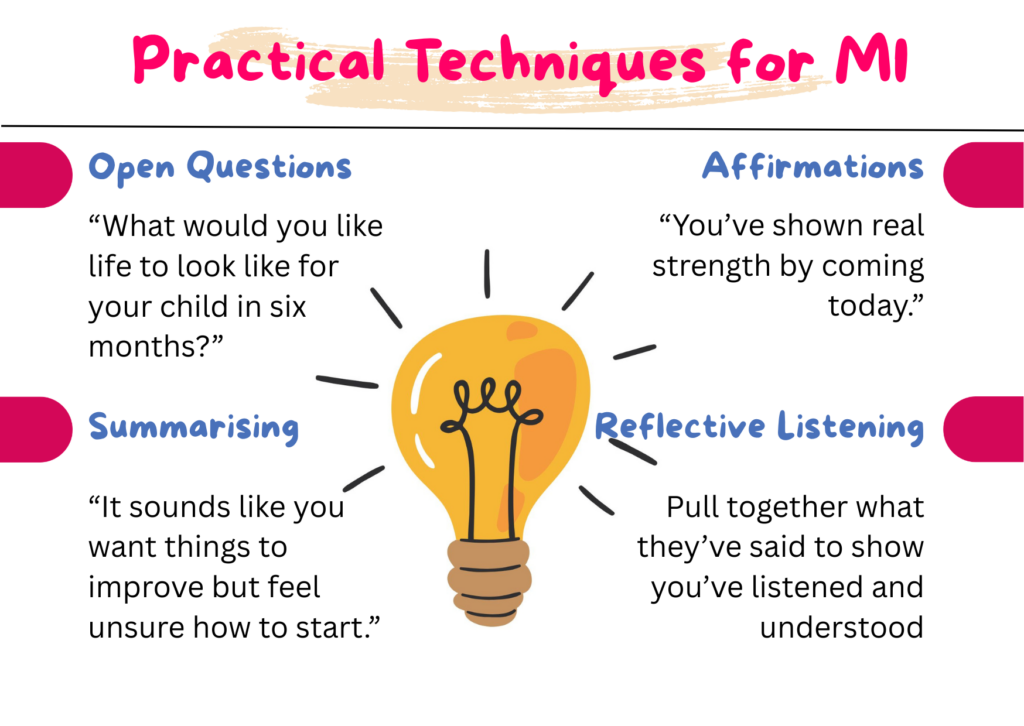
Handling Resistance
Resistance is common when working with families and often signals underlying trauma, fear, or stress. It can be a protective response when people feel vulnerable or uncertain about the safeguarding process.
You could try the following approaches:
- Shift the Focus
If a topic causes tension, move to something less threatening - Reframe Statements
Turn negative comments into opportunities for reflection - Avoid the Righting Reflex
Don’t jump in to “fix” things, instead help them find their own reasons for change
Common pitfalls to avoid include:
- Giving advice too soon or too much advice at once
- Mistaking ambivalence for resistance
- Over questioning instead of reflecting
- Using jargon or sounding authoritative
- Ignoring cultural context or family values
- Correcting, lecturing or arguing

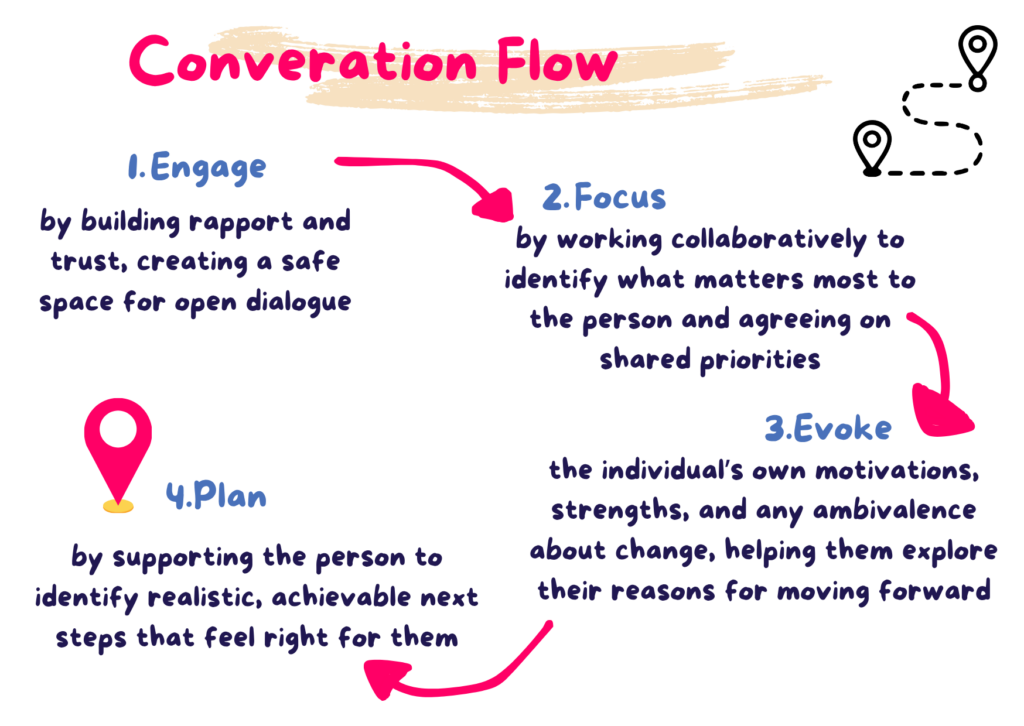
Other resources that can help you in your practice
Motivational Interviewing for Children & Families
Wolverhampton University
A one‑hour webinar specifically focused on safeguarding and children’s social care, including:
- Case studies and real practitioner examples
- How MI applies to high‑risk conversations
- How to raise concerns using MI
- Handling disguised compliance