 Back to main website
Neglect
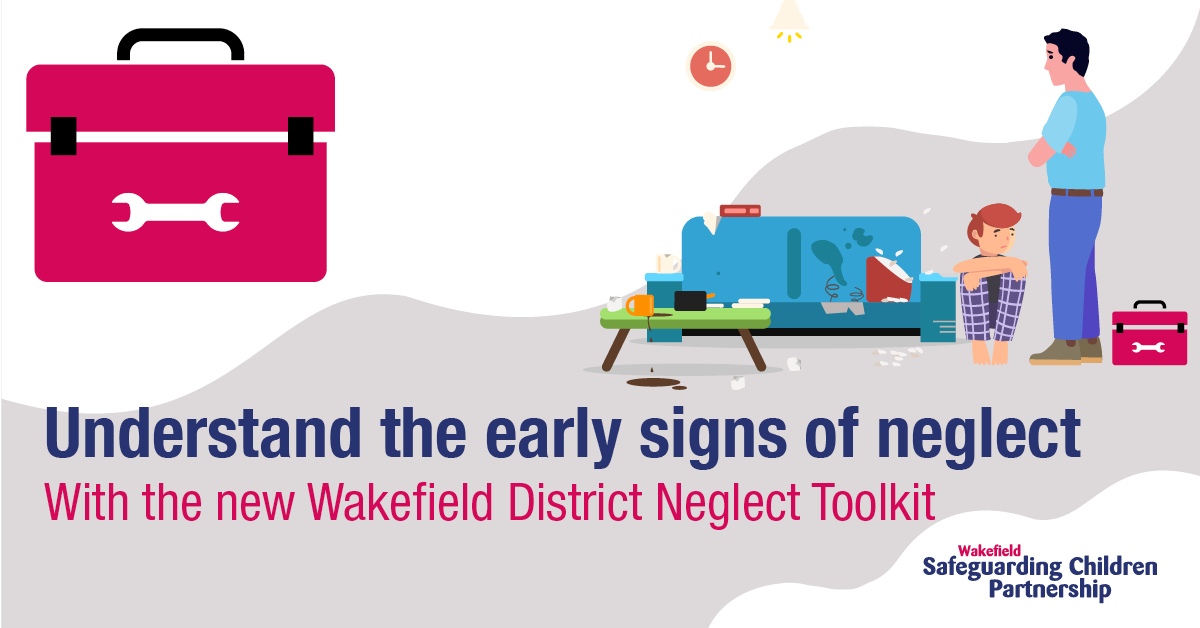
Neglect is one of the most common features of a child protection plan and is the most prevalent form of abuse in the UK, featuring in over 60% of child safeguarding practice reviews.
Neglect is the ongoing failure to meet a child's basic needs and can have a significant impact on the outcomes of a child, leading to serious impairment of health and developmental issues.
In Wakefield we are committed to help support those who work or volunteer with children and their families for Early Identification: Early Intervention
A multi-agency response is essential in keeping the child from any further harm.
Different types of neglect
It is more common for neglect to be cumulative rather than episodic. Typically neglect is defined as:
- Emotional – Inadequate care and attention to a child during development stages; not providing adequate social stimulation, including love and affection.
- Affluent – Occurs in wealthy famillies and more difficult to spot as it is often hidden. Affluent neglect experienced by children and young people is often emotional or controlling and can be equally devastating. See below for more details.
- Physical – Failing to provide supervision such as abandonment and basic survival needs such as shelter, clothing, heat or nutritional needs and endangering a child’s life.
- Educational – Failing to support a child’s attendance and development within the school environment, failure to recognise the educational needs of a child. Read more here.
- Medical -Failing to seek treatment for illness or accident or deliberately causing harm to a child. Can oftern include missed health visits, lack of engagments for immunisations or the absense of dental or optical care when needed.
- Moral – Failing to teach social expectations in what is right or wrong or failure to recognise cultural and religious needs, privacy, dignity and the right to choice.
- Digital – occurs when caregivers fail to supervise, guide, or protect a child’s engagement in the digital environment, including devices, apps, internet access, and online content. It’s a form of neglect by omission: neglecting the protection of the child from predictable online harms.
Neglect v’s Poverty
Neglect is a behaviour, it is not a lack of what a family have!
Affluent Neglect
Why it is difficult to spot and why persistence matters
Affluent neglect can pose significant dangers for children, even when material needs are met.
From the child’s perspective, high levels of parental absence, pressure to perform, or emotional unavailability can lead to loneliness, anxiety, low self‑esteem, and a lack of secure attachment. These children may also be more vulnerable to hidden harms such as substance misuse, risky behaviours, or exploitation, as they may have unsupervised freedom alongside limited emotional support.
For practitioners, the dangers lie in the risk of minimising concerns because a child appears well-cared‑for, high‑achieving, or financially stable. This can lead to missed safeguarding opportunities, difficulty in engaging parents who may not recognise emotional neglect, and challenges in evidencing harm when physical indicators are absent. To mitigate these risks, practitioners can adopt a “think family and think context” approach, looking beyond material circumstances to understand the child’s emotional world, patterns of supervision, and wellbeing.
Together, these factors make affluent neglect an often overlooked but significant safeguarding issue.
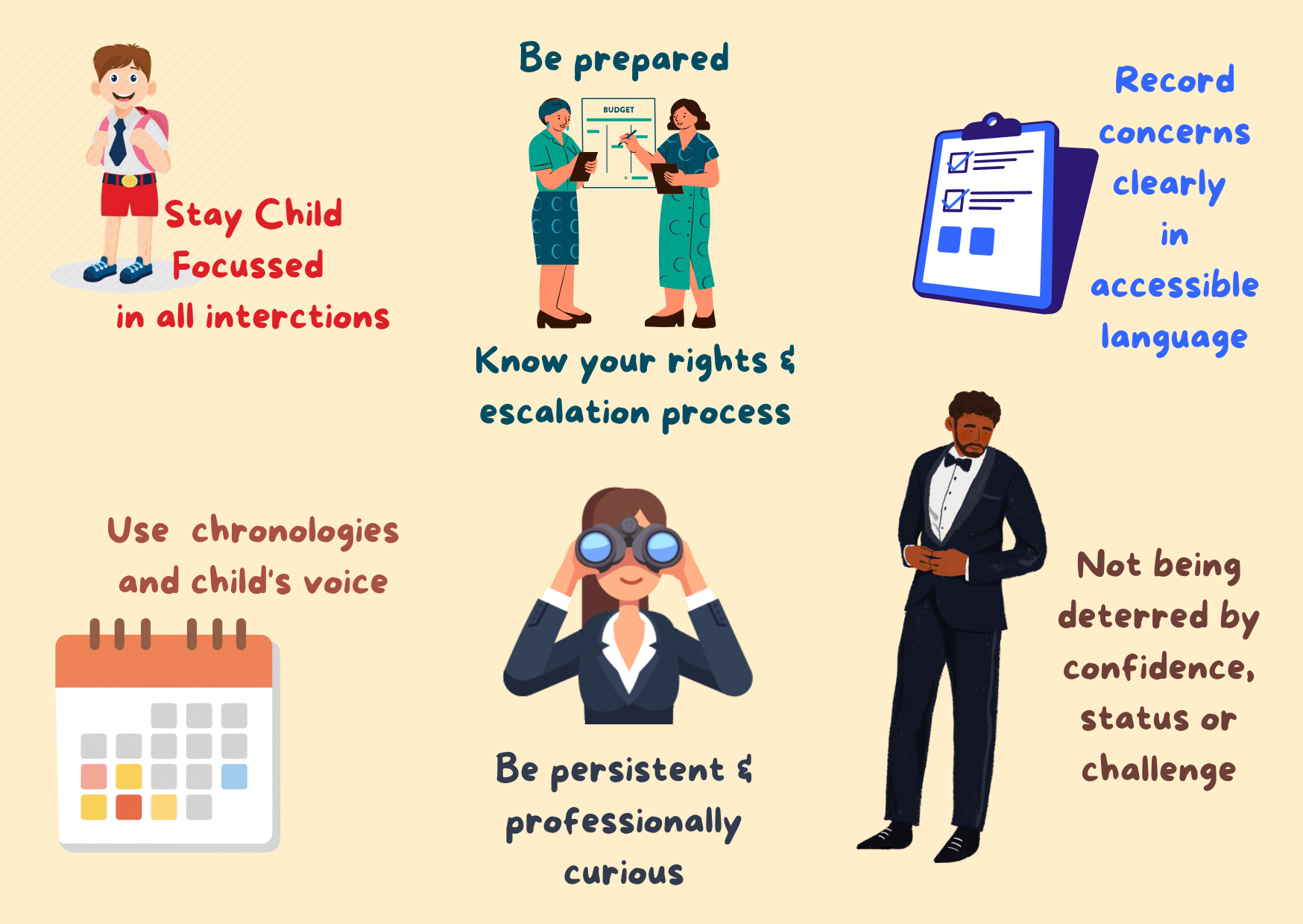
See the image below for best practice...
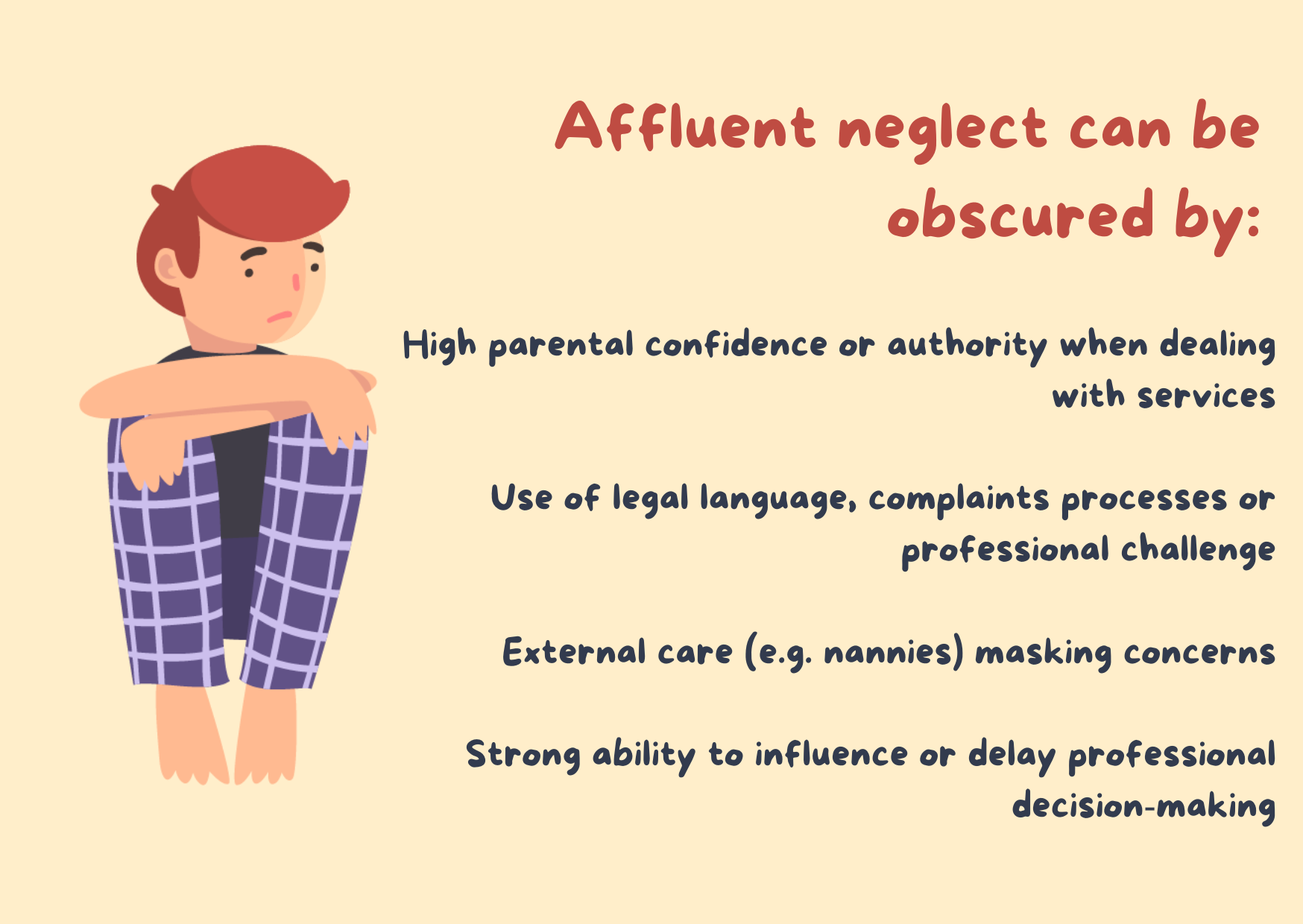
What to Look Out For in Affluent Neglect
Although affluent neglect occurs in families with financial stability and access to resources, children may still experience unmet emotional, supervisory, or relational needs.
These worries can be harder to identify because children may appear outwardly confident, high‑achieving or well‑supported.
Key signs practitioners should look out for include:
- Anxiety, perfectionism or fear of failure – children may feel intense pressure to achieve without the emotional support needed to manage it.
- Emotional withdrawal or isolation, even when they appear to have a full social or extracurricular life.
- Risk‑taking or secretive behaviour, which can signal underlying distress or attempts to cope without parental guidance.
- Children describing managing problems alone, suggesting limited emotional availability or inconsistent parental presence.
- Low parental engagement with school, meetings or pastoral discussions, despite having the capacity to be involved.
- High achievement masking emotional need, where academic or extracurricular success hides unmet emotional support or connection.
These indicators can help professionals identify when a child’s emotional or supervisory needs are going unmet, even in families where material neglect is not present. Schools and practitioners play a crucial role in noticing these subtle signs and offering early, sensitive support.
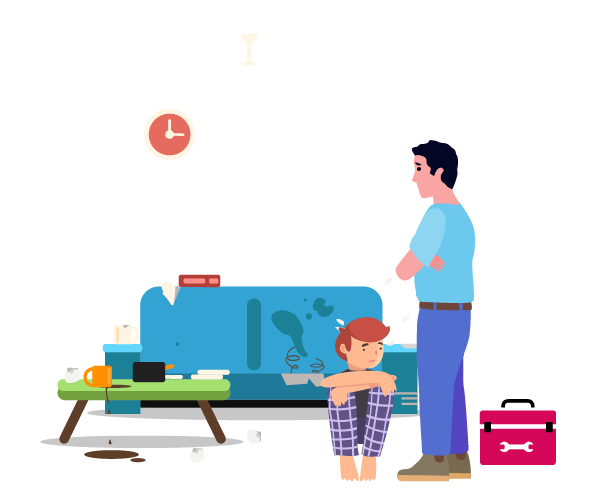
A broader safeguarding picture
While affluent neglect often presents through emotional or supervisory concerns, it is important to recognise that children in affluent families can also be vulnerable to other safeguarding risks, including physical abuse, sexual abuse, and exploitation.
Affluence does not remove the possibility of harm, and in some cases reduced supervision, isolation or pressure can create additional opportunities for risks to go unnoticed.
Practitioners should therefore consider the full range of potential safeguarding concerns when assessing the safety and wellbeing of children in affluent households.
-
Show details
 Why affluent neglect happens Affluent neglect can arise in families where demanding careers, long working hours or high expectations reduce parents’ time and emotional availability, even though material needs are fully met. These pressures can unintentionally limit the emotional connection children receive.
 -
Show details
 Approaching families sensitively It’s important to engage families using non‑judgemental, non‑labelling language. Words like neglect can feel blaming or alienating, especially for families who pride themselves on providing opportunities and stability. Instead of leading with terms that may shut the conversation down, practitioners can:
Focus on the child’s experience rather than the label
Use language such as “emotional needs,” “connection,” or “wellbeing”
Explore lifestyle pressures with curiosity, not criticism
Frame discussions around support rather than faultThis approach helps families feel respected rather than judged, opening the door to honest reflection and collaborative problem‑solving
-
Show details
 Why early identification matters Because children experiencing affluent neglect often present as capable, confident or high‑achieving, their struggles can remain hidden.
Early identification by schools and safeguarding professionals ensures emotional and supervisory needs are taken seriously, even when material resources are abundant. This helps avoid long‑term emotional harm and supports children to thrive holistically.
Michelle's Story
This is the story of Michelle and her experience of neglect as she was growing up.
Produced by LSCB x 3
Protective Factors in Neglect
Prevention and early intervention in child neglect is essential. Protective factors moderate risk or adversity for children (which can lead to ACE's) and can keep a child from further harm. Some protective factors include:
- Parental Resilience and coping strategies
- Parental support to understand a child's development and their needs
- Building family / support systems
- Education and communication (particularly literacy)
A child can become more at risk when these building blocks are not in place and co-existing factors such as alcohol or drug misuse, domestic abuse, mental ill health can increase the risks dramatically.
Find out more about how we are are building protective factors through family interventions in Wakefield by visiting Wakefield Families Together
To understanding more about Adverse Childhood Expereince's (ACE's) visit our trauma page.

What to do if you are concerned about Neglect
There is plenty of support available to you in the Wakefield District if you are concerned a child is being abused.
If a child is in immediate danger, do not delay and call 999. Visit our worried about a child page for more information if your concern is urgent.
In early 2023, WSCP launched a Neglect Campaign to help tackle safeguarding concerns here in Wakefield.
We have a miriad of tools, training and resources below to help you keep children safe from neglect.
Useful tools for Neglect in Wakefield


-
Show details
 What does it involve? Essentially we want to invite you to share and champion our campaign around neglect which will give practitioners confidence in using the neglect toolkit and its supporting documents.
Champions will become an expert in this field and a point of contact within their agency for those who have concerns and unsure about how to progress. We ask that all champions attend the Multi Agency Neglect Training and include the neglect email signature where you can as well as encouraging your peers to add any promotion around the use of the Neglect toolkit onto their agendas and into their conversations, and ensure that all internal documents are up to date and follow the latest guidance. We would like to gather evidence of good practice to build up a series of case studies and you may be the perfect conduit to do this?
We will keep our Champions up to date with any developments so you can share these within your networks. You might also want to join our pool of facilitators and co-deliver the training? But don’t worry – there’s no pressure to do this!
-
Show details
 Who can be a Champion? If you are an expert in Neglect or have a passion in this area we want to hear from YOU.
In 2023 we had 46% of all trained practitioners who signed up to become a Neglect Champion, so a big thank you to you and for all your support!
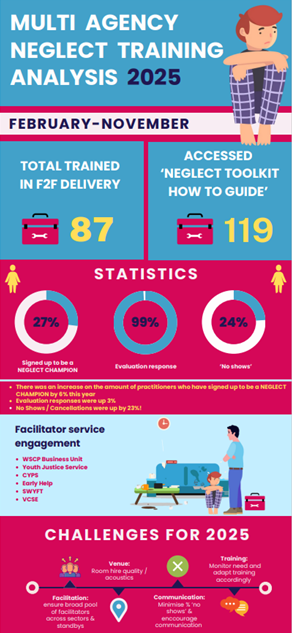
In 2025, WSCP trained 87 practitioners.
In the last year 119 of you also accessed the Neglect 'How To' training online (see below).
Find out more about the feedback from this years training or to book a place onto the updated 2026 training, see below.
See below for more recorded training and resources on Neglect.
Your 'How to' Guide: WSCP Neglect Toolkit
WSCP recorded training
by Karron Zelei.
Understand Neglect and how to use the toolkit within your organisation.
PLEASE NOTE: This video was recorded in august 2023 prior to the release of the New Working Together document, the content is still relevant to practitioners..
Theraputic Interventions: after abuse or neglect
A quick guide for practitioners and managers supporting children, young people and families
Abuse and neglect can have a long-lasting impact on the health and wellbeing of children and young people.
It is important to know how to respond, and the evidence suggests that the interventions from NICE (National Institute for Health & Care Excellence) may be effective for children and young people.

Child Neglect and Poverty Aware Practice
Key Note at the 2020 WSCP Winter Conference Dr Susannah Bowyer, Assistant Director Research in Practice
The presentation draws together key messages from a range of research, practice expertise and the voices of families on developing poverty aware practice in response to concerns about child neglect.