
 Back to main website
The Diverse Experiences of Men
and why this matters
Men are not a homogenous group. Identity, lived experience, disability, trauma, discrimination, social exclusion and life experiences can all influence how men engage with services, communicate concerns and participate in safeguarding processes.
Practitioners should avoid making assumptions about men's experiences and recognise that some men may face additional barriers to engagement, support and disclosure.
A curious, person-centred and strengths-based approach can help practitioners understand the unique circumstances of the men they work with and ensure they are fully included in assessments, plans and interventions.

Trans Men
Trans men may have experiences that differ from those of cisgender men and may have encountered misunderstanding, discrimination or exclusion within services.
Considerations for Practice
- Respect the individual's gender identity, chosen name and pronouns.
- Avoid making assumptions about their experiences, relationships or support needs.
- Recognise that some trans men may have experienced discrimination or previous negative interactions with services.
- Consider how concerns about stigma, acceptance or confidentiality may affect engagement.
- Create an environment where individuals feel safe, respected and included.
Take a look at our LGBTQIA+ resources for more information

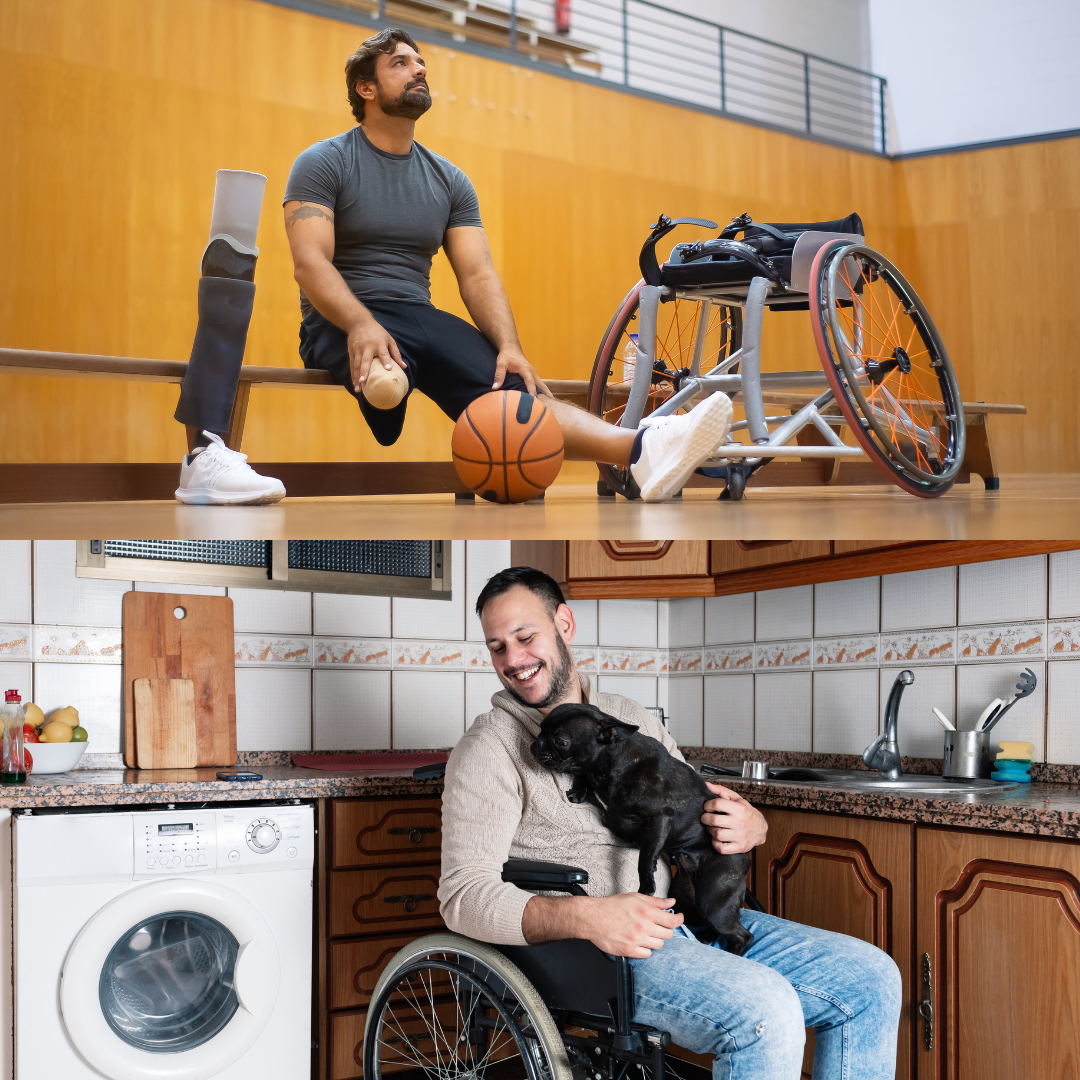
Disabled Men
Disabled men may face barriers to access, communication, participation and support.
These barriers are often created by systems and environments rather than by the disability itself.
Considerations for Practice
- Ensure information and communication are accessible and tailored to individual needs.
- Consider the impact of sensory, physical, cognitive or learning disabilities on engagement. Visit the SEND toolkit for more information on neurodiversity.
- Avoid assuming that support-needs reduce a man's ability to contribute to decision-making.
- Be alert to situations where dependence on others may increase vulnerability to abuse, neglect or coercion.
- Offer flexibility and reasonable adjustments where required.
Male Victims of Domestic Abuse
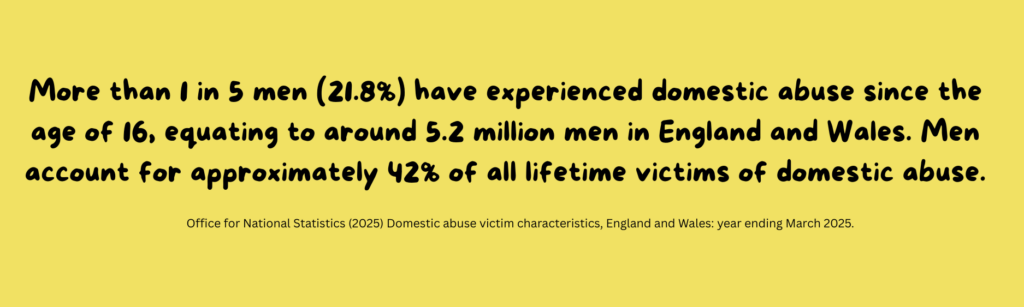
Statistics relating to male victims of domestic abuse are often under-reported due to barriers to disclosure and reporting.
Domestic abuse can affect anyone, regardless of gender. Men can experience coercive control, emotional abuse, physical abuse, financial abuse, sexual abuse, stalking and harassment within intimate or family relationships.
Some men may be at increased risk of experiencing abuse or face additional barriers to seeking support. This can include men who are:
- homeless
- have disabilities
- care-experienced men
- experiencing poor mental health
- experiencing substance use
- LGBTQ+
- socially isolated
- younger - men aged 16-24 experience higher rates of domestic abuse than older men read more here
- from minoritised backgrounds - Some men may face additional barriers to disclosure due to cultural expectations, stigma, language barriers, immigration concerns, or fears about bringing shame on the family. While prevalence varies, these barriers can increase vulnerability and reduce help-seeking read more here
If you are worried about a man you are working with read how to spot the signs here

-
Show details
 Lived experience Experiences of trauma, dependency on others, financial hardship, discrimination and limited support networks can increase vulnerability and make it more difficult to recognise abuse, seek help or disclose concerns.
 -
Show details
 Additional Barriers Male victims are often less likely to be recognised, identified or supported, partly because societal expectations and stereotypes can make disclosure more difficult.
Some men may feel ashamed or embarrassed, fear they will not be believed, worry about being judged, or be concerned about the impact that disclosure could have on their relationships with their children and family. Some men may struggle to also recognise their experience as abuse.
-
Show details
 A word of caution Women are predominantly victims of DA but it is worth noting that men can make counter allegations for various reasons. If you suspect a man who is presenting as a victim we suggest paying reference to Safe Lives counter allegation toolkit. Learn more about counter allegations - SafeLives
Whilst not taking away men can be victims – it is something for practitioners to be mindful of in respect of identifying the primary victim and primary perpetrator where men present as victims.
-
Show details
 Practice Reminder Men can be victims of domestic abuse, and a lack of disclosure does not mean abuse is not occurring. Practitioners should avoid assumptions based on gender and ensure that men are routinely offered opportunities to discuss their experiences, relationships and safety. Consider the following in your practice:
Ask men directly about their experiences and relationships
Avoid assumptions that men are always the perpetrator
Explore patterns of coercion, control, fear and intimidation, not just physical violence
Recognise that abuse can occur in heterosexual and same-sex relationships
Consider the impact abuse may have on parenting capacity, mental health and wellbeing
Ensure men are aware of specialist support services available to themVisit the Council website for more information on local and national support services
Care-Experienced Men
Men who have experienced care during childhood may have experienced disruption, instability, loss, trauma or difficulties forming trusting relationships.
Previous experiences of professionals and services can influence how they engage as adults. Take a look at our Adverstiy, trauma and resilience page to find out more about adverse childhood experiences.
Considerations for Practice
- Recognise the impact that childhood experiences may continue to have in adulthood
- Understand that trust may take time to build
- Avoid interpreting reluctance to engage as lack of interest or concern
- Use trauma-informed approaches wherever possible
- Focus on strengths, resilience and protective factors

Homeless Men
Men experiencing homelessness often face significant challenges that can affect engagement, wellbeing and safeguarding.
Many have experienced trauma, poverty, social isolation, poor mental health, substance misuse or adverse childhood experiences.
Considerations for Practice
- Recognise that immediate needs such as accommodation, safety and access to food may take priority
- Consider flexible and creative approaches to engagement
- Avoid making assumptions based on appearance or circumstance
- Understand that missed appointments can reflect practical barriers rather than a lack of motivation
- Take a trauma-informed and non-judgemental approach
Link to council services..


Professional Reflection
Ask yourself the following question:
Which men are least likely to be seen, heard or understood within my service, and what can I do differently to ensure their voices are included?
