 Back to main website
What Good Engagement Looks Like
“Good engagement with men is intentional, consistent, and purposeful.”
Engaging men effectively is a core part of safeguarding practice, not an optional extra. It requires practitioners to actively identify, include, and work with the men in a child’s life, recognising both risk and potential strengths.
Good engagement is not about doing more, it is about being deliberate in who we engage, how we engage, and how we sustain that engagement over time.
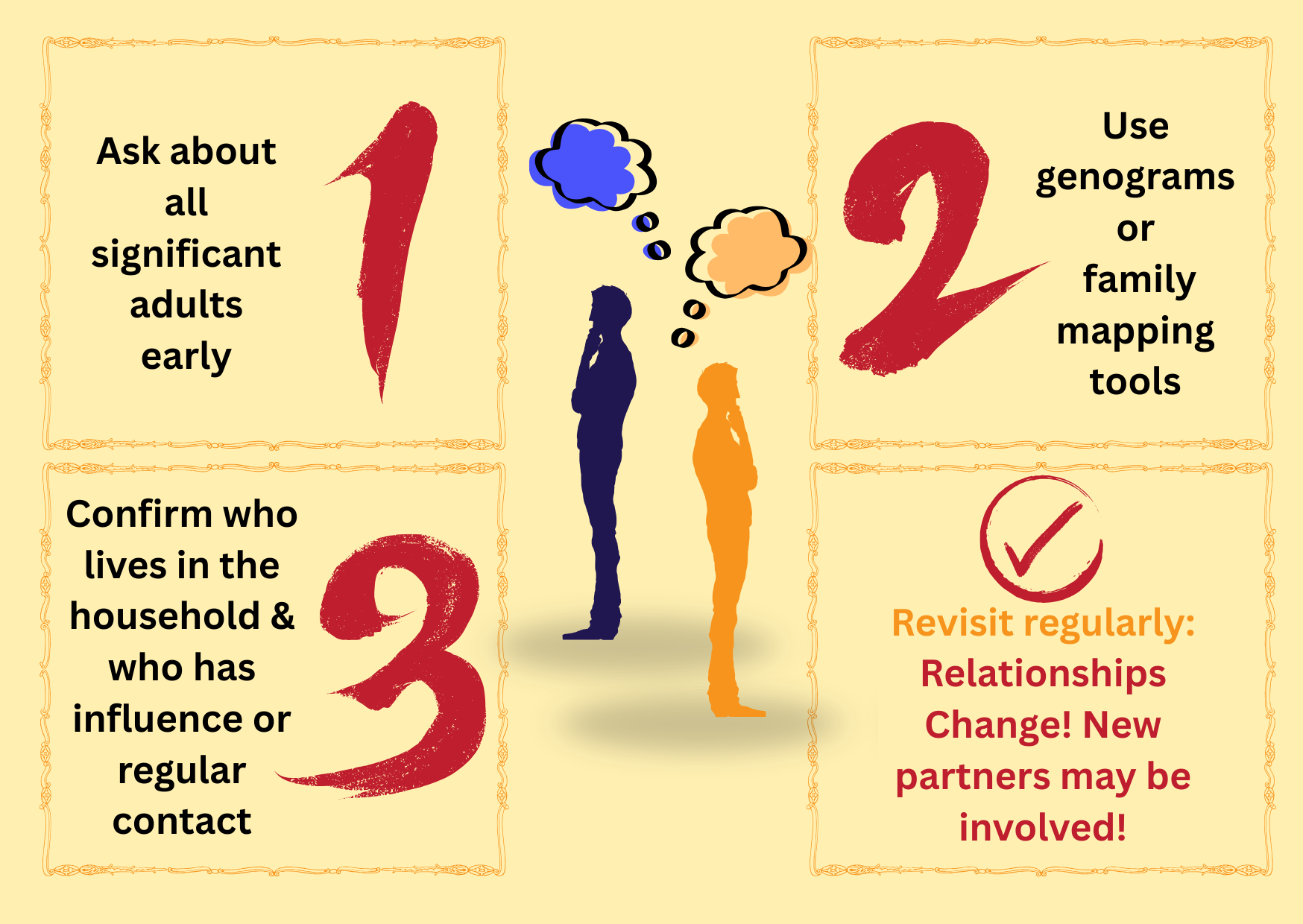
Identifying and Mapping the Men in a Child’s Life
Good engagement starts with knowing who the men are.
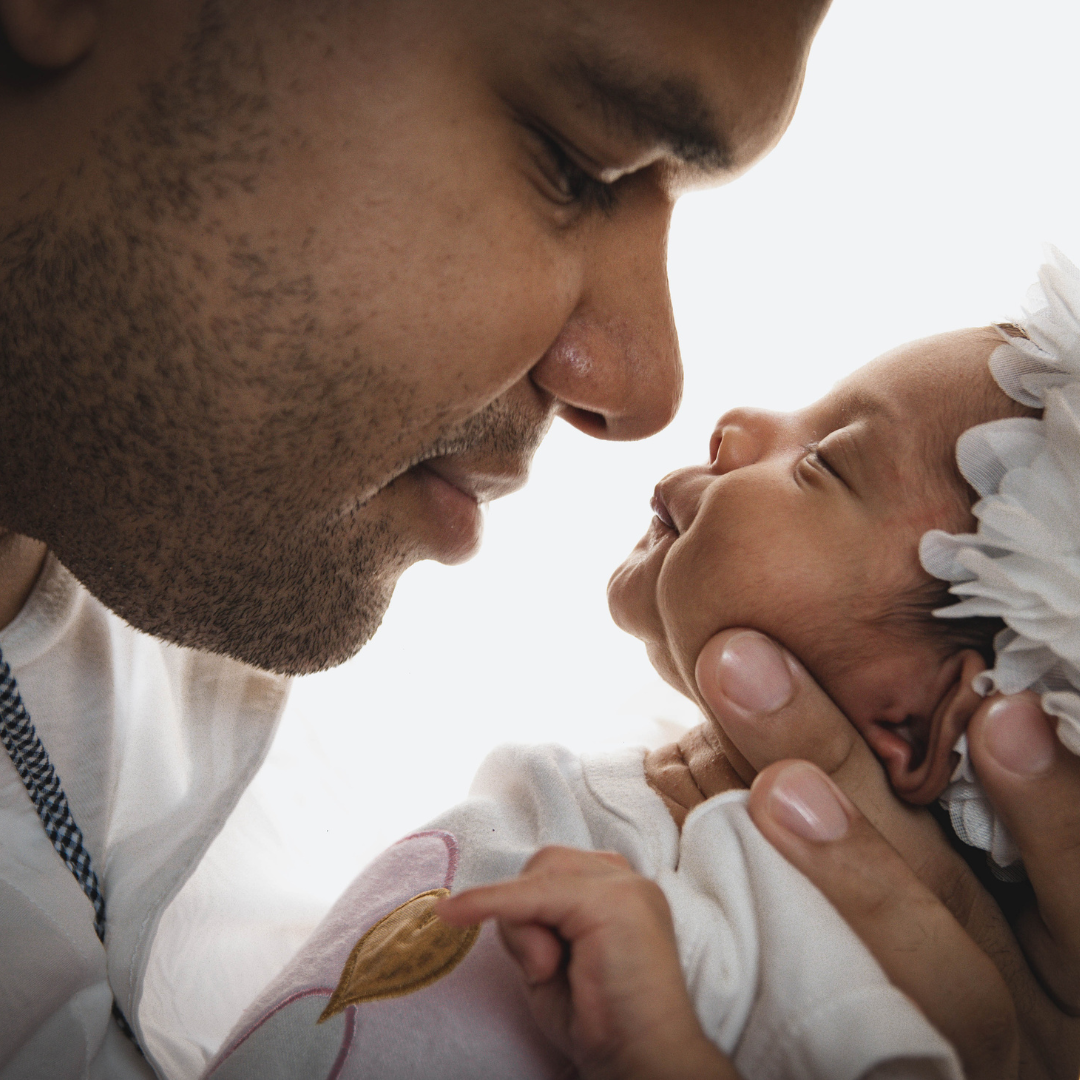
Take a look at the image in this section and ask yourself,
“Have I identified all the men in this child’s life, or just the ones who are easiest to see?”
See below for Genogram / Ecomapping templates.
What do we mean by good engagement?
Good engagement goes beyond making contact.
It is about ensuring men are meaningfully included in conversations, assessments, and safeguarding plans.
This means:
- Understanding their role in the child’s daily life
- Recognising how they influence both safety and wellbeing
- Maintaining curiosity without jumping to assumptions
- Being consistent, even when engagement is challenging
Good engagement is active, intentional, and ongoing.

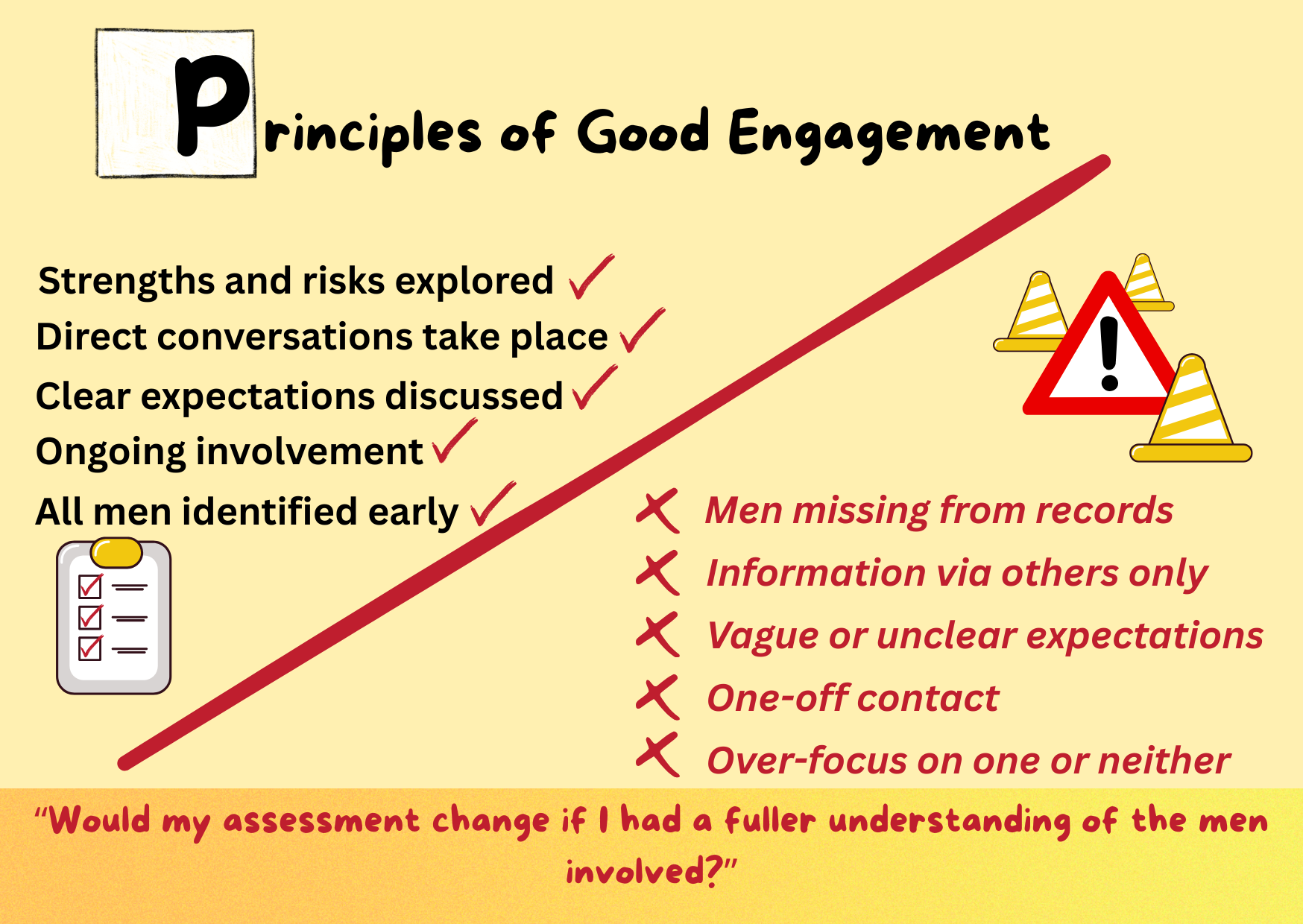
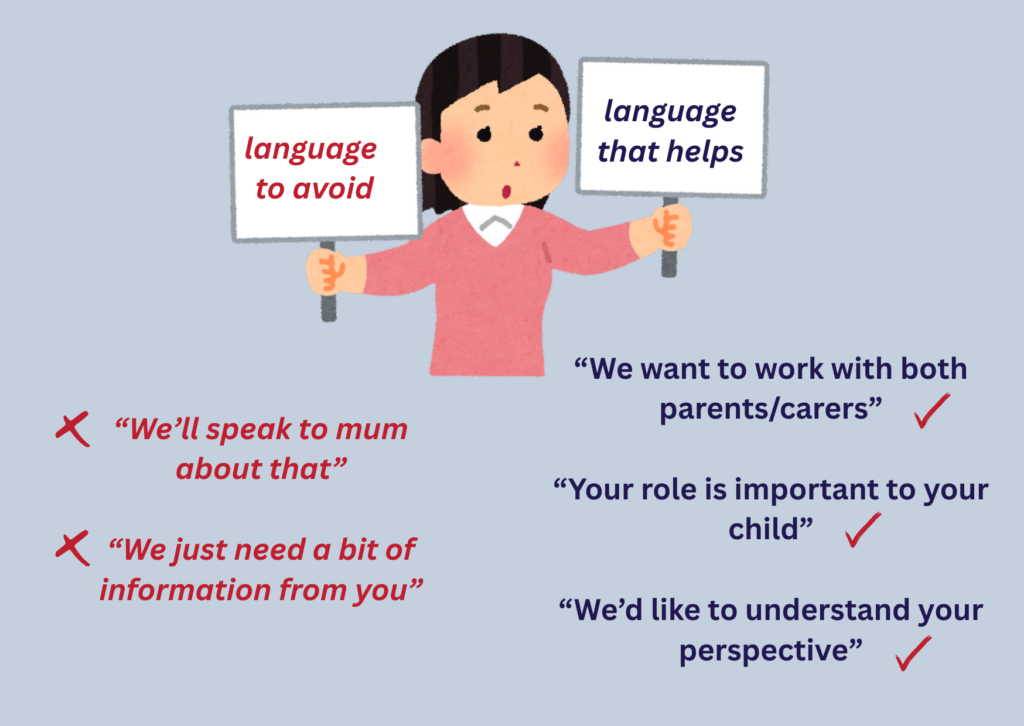
Principles of Good Engagement
- ✅ Direct, respectful, and transparent communication
- ✅ Clear expectations about involvement and responsibility
- ✅ Consistency in approach across professionals
- ✅ Curiosity without judgement
- ✅ Strength-based approach while maintaining a focus on risk
- ✅ Willingness to both support and challenge
-
Men are more likely to engage when they feel recognised, respected, and included.Show detailsKey:
-
Show details
 Questions to Ask Every Family Who are the important men in this child’s life?
Who lives in the household (full or part-time)?
Who provides care, discipline, or financial support?
Are there any new or changing relationships?
How do the adults manage conflict?
Engaging Men Safely - Do's & Don’ts
⚠️ Reminder: Engagement should never compromise safety, it should strengthen it instead.
✅ Do:
- Plan engagement carefully where risk is known
- Be clear about purpose and professional boundaries
- Work jointly with other professionals where appropriate
⚠️ Don’t:
- Ignore or avoid high-risk men
- Collude with avoidance or non-engagement
- Place other family members at increased risk